
There is nothing quite like the feeling of walking into a freshly cleaned building. Whether it is the lobby of a strata building, a busy office, or a commercial facility, a spotless environment sets a positive tone immediately. It feels professional, welcoming, and safe.
However, achieving that level of cleanliness requires a clear plan. Most property owners and strata council members know their building needs to be cleaned, but the industry terminology can be confusing. You might see a quote and wonder, what does "janitorial cleaning services" include?
The term "janitorial" often feels vague, leaving many to guess what tasks are actually being performed. Let's break down the specific tasks in a standard contract so you know exactly where your budget goes. These janitorial services are the backbone of building maintenance, ensuring your property runs smoothly every single day.
Janitorial services refer to the day-to-day or regular upkeep of a property. It is the consistent, ongoing effort to keep a building looking its best.
Think of it like your personal dental hygiene. Janitorial work is like brushing and flossing your teeth every day. It is the maintenance you do to prevent problems. In contrast, heavy-duty commercial cleaning projects are like going to the dentist for a root canal or a deep scaling. You need the daily brushing to avoid needing the dentist constantly.
Janitorial teams focus on maintenance tasks that keep a space healthy, safe, and presentable. This work happens on a consistent schedule, which could be daily, weekly, or bi-weekly depending on your needs.
To truly understand the scope, you should distinguish between two common service models: the day porter and the night crew.
The night crew performs the heavy lifting. They arrive after hours to vacuum the entire facility, mop large floor areas, and perform deep disinfection when the building is empty. This is ideal for security and efficiency.
A day porter, on the other hand, operates during business hours. Their role is visibility and immediate response. They police the restrooms during high-traffic periods, clean up coffee spills immediately, and ensure the lobby looks perfect for incoming guests. Choosing between these models depends on your facility's operational needs.
The primary goal is not necessarily to restore an old, neglected building to brand-new condition overnight. Instead, the goal is to maintain a high standard of cleanliness so dirt and grime never have the chance to build up. It is about reliability and consistency.
When you ask a contractor, "what does "janitorial cleaning services" include?", the answer usually revolves around three main zones: restrooms, common areas, and breakrooms. These are the high-traffic areas that require the most attention to keep a building functional.
The restroom is arguably the most critical part of any cleaning contract. If the washrooms are dirty, complaints will follow almost immediately. More importantly, these areas are hotspots for germs and bacteria.
A standard janitorial visit focuses heavily on sanitation here. The cleaning team follows a specific checklist to keep things sanitary:
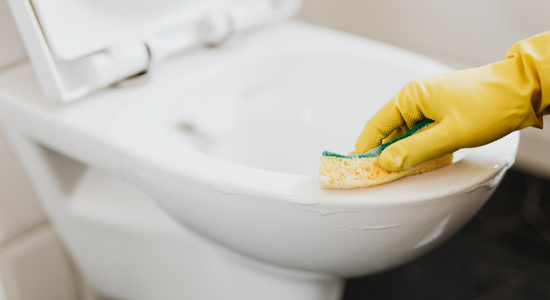
By strictly following this checklist, janitorial staff prevent the spread of illness and keep the facilities pleasant for tenants and staff.
The next major focus is the general flow of the building. This includes lobbies, hallways, reception areas, and individual office cubicles or desks. These are the first places visitors see, so appearance is everything.
In these zones, the cleaning staff focuses on removing the daily accumulation of dust and debris. The tasks typically include:
Consistent office cleaning keeps morale high among employees and ensures the space looks professional to any clients walking through the door.
Finally, we have the areas where people eat and relax. Breakrooms and kitchenettes can get messy quickly with crumbs, coffee spills, and food residue.
Janitorial services in these areas focus on surface hygiene to prevent pests and odors:
Note that washing individual dishes left in the sink is usually not included. The focus is on the facility, not personal items.
While specific rooms have unique requirements, floor maintenance is a universal task that spans every zone of the facility. Floors take the most abuse in any building. Muddy boots, spilled coffee, and general foot traffic wear them down quickly.
Therefore, floor care is a massive component of the answer when you ask, what does "janitorial cleaning services" include?
For hard surface floors like tile, vinyl, or concrete, the process involves sweeping or dust mopping to remove loose grit that can scratch the finish. Once the debris is gone, the cleaner mops the area using a neutral cleaner. This removes dirt and spills without damaging the floor wax or sealant.
Carpet care is slightly different. In a standard contract, you can expect daily vacuuming of high-traffic areas, such as entrance mats and main walkways.

Wall-to-wall vacuuming (getting under desks and into corners) is typically done on a periodic schedule, such as once a week.
It is important to understand that this is maintenance cleaning. It keeps the floors looking good day-to-day. However, deep scrubbing, stripping and waxing, or hot water carpet extraction are considered restorative projects, not daily janitorial tasks.
There is often confusion between "janitorial services" and "commercial cleaning." People use the terms interchangeably, but in the industry, they refer to different types of work.
To help clarify, here is a comparison of how these services differ:
Janitorial staff handles the daily grind. They are the ones you see regularly. However, over time, even a clean building needs a reset. That is when you hire a team for specific deep cleaning services to restore the building to like-new condition. This might happen once or twice a year to tackle the grime that daily mopping cannot reach.
To avoid frustration, it is vital to know what is usually not in the quote. Managing expectations prevents surprises on the invoice or disappointment with the service.
Standard janitorial contracts cover the basics of interior hygiene. Specialized tasks are often considered "add-ons" or separate billable items.
Clutter management is the most frequent point of confusion. Janitorial staff are trained to clean surfaces, not organize personal property. If a desk is covered in stacks of loose papers, the cleaner cannot wipe the desk underneath without risking liability for lost documents. They will clean around the clutter, but they won't move it.
Biohazard protocols are another strict exclusion. Standard cleaners are not equipped to handle bodily fluids like blood or vomit. These situations require specific OSHA certifications and protective gear. If an incident occurs, it usually requires a specialized team, not the nightly janitor.
Other common exclusions include cleaning the inside of personal appliances like the office fridge or toaster oven. High dusting, which involves cleaning vents, pipes, or lights near the ceiling, is also usually excluded due to safety and time requirements.

Pressure washing sidewalks or building exteriors is another separate service. Tasks like commercial window cleaning usually require special safety gear and insurance, so they are scheduled separately from the daily cleaning routine.
Looking back at the comprehensive list of included services, you might wonder if it is worth the expense. However, hiring professionals delivers a strong Return on Investment (ROI).
First, consider health. A clean building reduces the spread of viruses and bacteria. This means fewer sick days for employees and a healthier environment for strata residents.
Second, it protects your assets. dirt and grit act like sandpaper on your floors. Regular cleaning extends the lifespan of your carpets and hard floors, saving you thousands in replacement costs down the road.
Finally, image matters. A dirty building signals neglect to customers and tenants. A clean building signals success and care. When you weigh these benefits against the cost of commercial cleaning, you realize that regular maintenance actually saves money on long-term repairs and vacancy issues.
Janitorial services are the key to a functioning, pleasant, and safe building. They bridge the gap between a chaotic mess and a professional environment.
At A-Spek Services, we provide reliable, thorough janitorial solutions for properties across the Lower Mainland, BC. We understand that every building is unique, and we tailor our checklists to ensure you get exactly what you need.
If you are ready to improve the standard of cleanliness in your building, reach out to us today for a free quote. We can customize a cleaning schedule that fits your specific needs and budget.